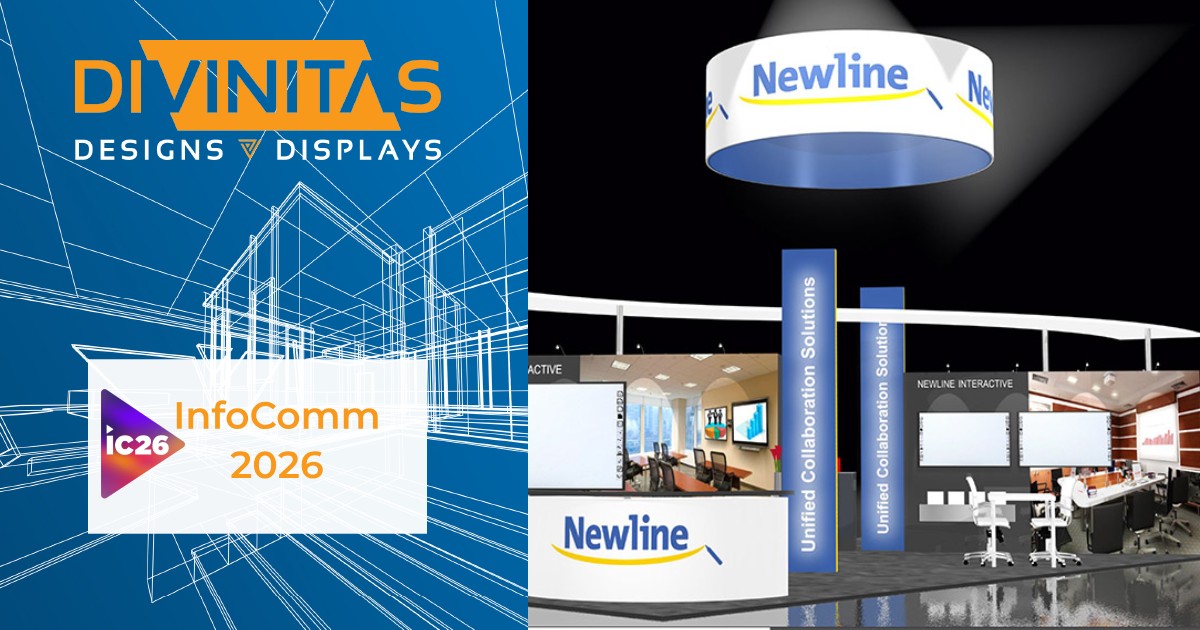
What Is InfoComm 2026 and Who Attends It
InfoComm 2026 is the annual professional audiovisual trade show organized by AVIXA, scheduled for June 13-19, 2026, at the Las Vegas Convention Center. The event serves as North America’s largest marketplace for pro AV technologies, systems integration, and unified communications solutions.
Attendees typically include AV systems integrators, IT managers, corporate technology directors, education technology specialists, and end users from sectors including corporate enterprises, higher education, healthcare, hospitality, and government agencies. The 2026 edition emphasizes three primary technology verticals: education technology (EdTech), smart workplace solutions, and AI-driven audiovisual applications.
The main exhibit is open from June 16-18. There are also classes and certification sessions from June 13-19. Each year, about 40,000 people come to InfoComm, including technical experts and business leaders.
Key Dates, Venue, and Exhibitor Logistics
InfoComm 2026 will be held at the Las Vegas Convention Center from June 13–19, 2026, with the exhibition open to attendees June 17–19, 2026. Exhibitors are required to have all exhibits fully installed and show-ready by 5:00 p.m. on Tuesday, June 16, 2026, and the exposition officially closes at 4:00 p.m. on Friday, June 19, 2026, at which time teardown may begin. No dismantling or packing is permitted prior to the official show close.
The event is governed by comprehensive Exposition Rules and Regulations covering booth construction, height limitations, line-of-sight requirements, rigging, electrical services, sound levels, fire safety, ADA compliance, and exhibitor conduct. Certain exhibit types—including island, overhead-rigged, and multi-level structures—require advance approval and, where applicable, stamped engineering documentation submitted at least 60 days prior to show opening, in accordance with InfoComm Show Management policies. Freight handling, move-in/move-out schedules, and warehouse timelines are defined in the official Exhibitor Service Manual and may vary by booth type and carrier.
Divinitas Displays has extensive experience working within InfoComm and AVIXA exhibition regulations, including booth height and line-of-sight rules, engineering and approval requirements, and Las Vegas Convention Center safety and installation standards, ensuring compliant, show-ready execution.
Exhibit Design Considerations Specific to InfoComm 2026
Exhibit designs at InfoComm must accommodate technology demonstrations requiring substantial power and data connectivity. Standard booth configurations include 10×10, 10×20, and island exhibits starting at 20×20 feet, with ceiling heights limited to 16 feet for inline booths and 20 feet for island configurations.
Audio demonstration areas require acoustic treatment to comply with AVIXA’s 85-decibel limit measured at booth perimeters. Exhibitors planning to use LED walls or projection mapping must submit their lighting plans to prevent interference with neighboring displays.
The network infrastructure at InfoComm offers dedicated bandwidth packages ranging from 10 Mbps to 1 Gbps, and exhibitors must pre-order connectivity services by May 1, 2026. Booths featuring live streaming or cloud-based demonstrations should account for potential network congestion during peak attendance hours.
Common Exhibitor Challenges and How to Avoid Them
Exhibitors at InfoComm frequently encounter power distribution challenges when operating multiple display technologies simultaneously. Standard booth power allocations of 500 watts per 100 square feet often prove insufficient for comprehensive AV demonstrations, requiring advance coordination for additional electrical services.
Acoustic interference between adjacent booths continues to pose difficulties, particularly for audio equipment manufacturers. Scheduling demonstrations during designated time blocks and incorporating directional speaker systems helps minimize cross-booth audio pollution.
Technology integration failures during setup consume valuable installation time. Exhibitors should allocate a minimum of 48 hours for complex integrated systems, allowing time for troubleshooting connectivity, calibration, and software configuration before the show opens.
Lead retrieval at InfoComm is handled through the show’s official badge-scanning system, allowing exhibitors to capture attendee data and export leads using standard formats or established CRM integrations.
Recommended Timeline for Planning a Successful Exhibit
Exhibit planning for InfoComm 2026 should begin 6-9 months before the event. Initial space selection and contract execution typically occur in September-October 2025, when AVIXA opens booth sales to returning exhibitors.
Design development and approval processes require 3-4 months, with conceptual designs beginning in January 2026 and final engineering drawings due to show management by April 15, 2026. Custom fabrication timelines average 6-8 weeks, necessitating final design approval by early April.
Marketing material development, including pre-show promotional campaigns and booth graphics, should commence in March 2026. Digital asset creation for interactive displays and presentation content must be completed by May 15 to allow testing and refinement.
Logistics coordination, including freight forwarding, travel arrangements, and staffing schedules, should be finalized 30 days before the event. Equipment testing and pre-show staging at fabricator facilities should occur the week of May 26, 2026.
How Exhibit Partners Typically Support InfoComm 2026 Exhibitors
Professional exhibit partners provide comprehensive services addressing the technical complexity of audiovisual trade show presentations. These services typically encompass structural design, electrical engineering, technology integration, and project management specific to AV industry requirements.
Design services include 3D visualization, technical drawing preparation, and permit submission for management review. Fabrication capabilities cover custom millwork, metal framework, fabric graphics, and specialized mounting systems for displays and equipment. Technology integration support addresses audiovisual system configuration, interactive programming, and network setup.
Here at Divinitas Designs & Displays, we are passionate about creating unforgettable experiences for our clients. Based in Orlando, our 50,000-square-foot fabrication facility at 7662 Currency Drive is where your vision comes to life. We handle every step, from consultation and design to fabrication and installation, for trade shows, corporate welcome centers, retail displays, and mobile exhibits.
Our clients come from many industries, including hospitality, healthcare, technology, and education. We built our Divinitas Certainty™ program to make sure every project is clear, pricing is straightforward, and you always know what to expect. Whether you need a custom point-of-purchase display, a large trade show exhibit up to 50×50 feet, or seamless AV integration, our nationwide installation teams are certified for major convention centers in Las Vegas, Orlando, Chicago, Atlanta, and beyond.

At Divinitas Displays, your brand is our priority. We take pride in delivering quality, creativity, and peace of mind every step of the way.
On-site services during InfoComm typically include installation supervision, daily booth maintenance, technical troubleshooting, and dismantling coordination. Many exhibit partners maintain local Las Vegas warehouse facilities for storage and refurbishment between recurring events.
Who This InfoComm 2026 Guide Is For
This guide serves exhibitors planning to participate in InfoComm 2026, including first-time and returning exhibitors. Primary users include exhibit managers, marketing directors, and trade show coordinators from audiovisual manufacturers, systems integrators, and technology service providers.
Corporate exhibitors from end-user industries showcasing internal AV installations or digital transformation initiatives will find relevant planning timelines and logistical requirements. Educational institutions demonstrating classroom technology implementations can reference venue specifications and setup considerations.
AV consultants, architects, and design firms exhibiting professional services benefit from understanding booth design constraints specific to technology demonstrations. Software companies presenting unified communications platforms or AV control systems should note connectivity requirements and demonstration scheduling guidelines.
Frequently Asked Questions About Exhibiting at InfoComm 2026
InfoComm does not publish universal minimum booth size requirements on its public site. Booth size options, configurations (inline, peninsula, island), and related rules are defined in the official Exhibitor Rules & Regulations and the Exhibitor Service Manual, which exhibitors access through the InfoComm Exhibitor Resource Center once space is secured.
The InfoComm Exhibitor Service Manual is typically released several months before the show and made available through the Exhibitor Resource Center. For InfoComm 2026, AVIXA indicated that exhibitor resources, including the Service Manual, would be available beginning in late 2025, allowing exhibitors time to plan services such as electrical, rigging, internet, and material handling.
Exhibitors at InfoComm often plan booth design around product demonstrations, AV equipment placement, sound management, and attendee traffic flow within the Las Vegas Convention Center. Exhibit partners such as Divinitas Designs & Displays support exhibitors by providing consulting, custom design, fabrication, and installation services that align booth layout with technical requirements and show regulations.
InfoComm requires that exhibit sound levels do not disrupt neighboring booths or aisle traffic. Historically, InfoComm policies have enforced sound limits and encouraged the use of directional audio, sound-dampening materials, or designated demo areas for louder demonstrations; exhibitors should confirm current limits in the Exhibitor Service Manual.
The Las Vegas Convention Center operates under union jurisdiction for certain services, including electrical connections, rigging, and material handling. Exhibitors may be permitted to assemble portions of their booths themselves depending on size, complexity, and service requirements, while other work must be performed by approved contractors; exhibit providers like Divinitas Designs & Displays routinely coordinate installation and compliance with venue and show labor regulations.
Last updated: January 2025